Addressing the demand for higher-temperature materials in structural environments
Developments in the nuclear, aerospace, defense, and space sectors are increasing demand for materials that can perform at higher temperatures and under more demanding conditions.
Ceramic matrix composites (CMCs) offer a promising response to these performance challenges.
CMCs consist of a network of fibers embedded within a ceramic matrix. Introducing fibers into the matrix increases the toughness of the overall system, helping to address the brittleness associated with monolithic ceramics. This enables CMCs to combine high-temperature performance with the ability to withstand demanding mechanical loads in harsh and extreme environments.
Leveraging our heritage in advanced ceramics
Lucideon combines deep expertise in advanced ceramic materials and processing with access to pilot-scale development facilities through The AMRICC Centre, which we host and manage. Together, these capabilities allow us to support CMC programmes across material formulation, fiber impregnation, forming, heat treatment, densification, characterization, and performance evaluation.
By bringing materials knowledge, process development, and testing together, we help organizations understand the relationship between composition, manufacture, and final component performance.
Supporting the scale-up and adoption of CMCs
Developing a promising material is only one part of the challenge. Processes must also be repeatable, scalable and capable of producing components with the required properties and quality.
That is where Lucideon can help. We work with customers to optimize materials and manufacturing routes at pilot scale, generate the evidence needed to evaluate performance, and progress technologies towards prototype, demonstration, and industrially relevant production.

Enabling technologies for demanding sectors
Aerospace and defense
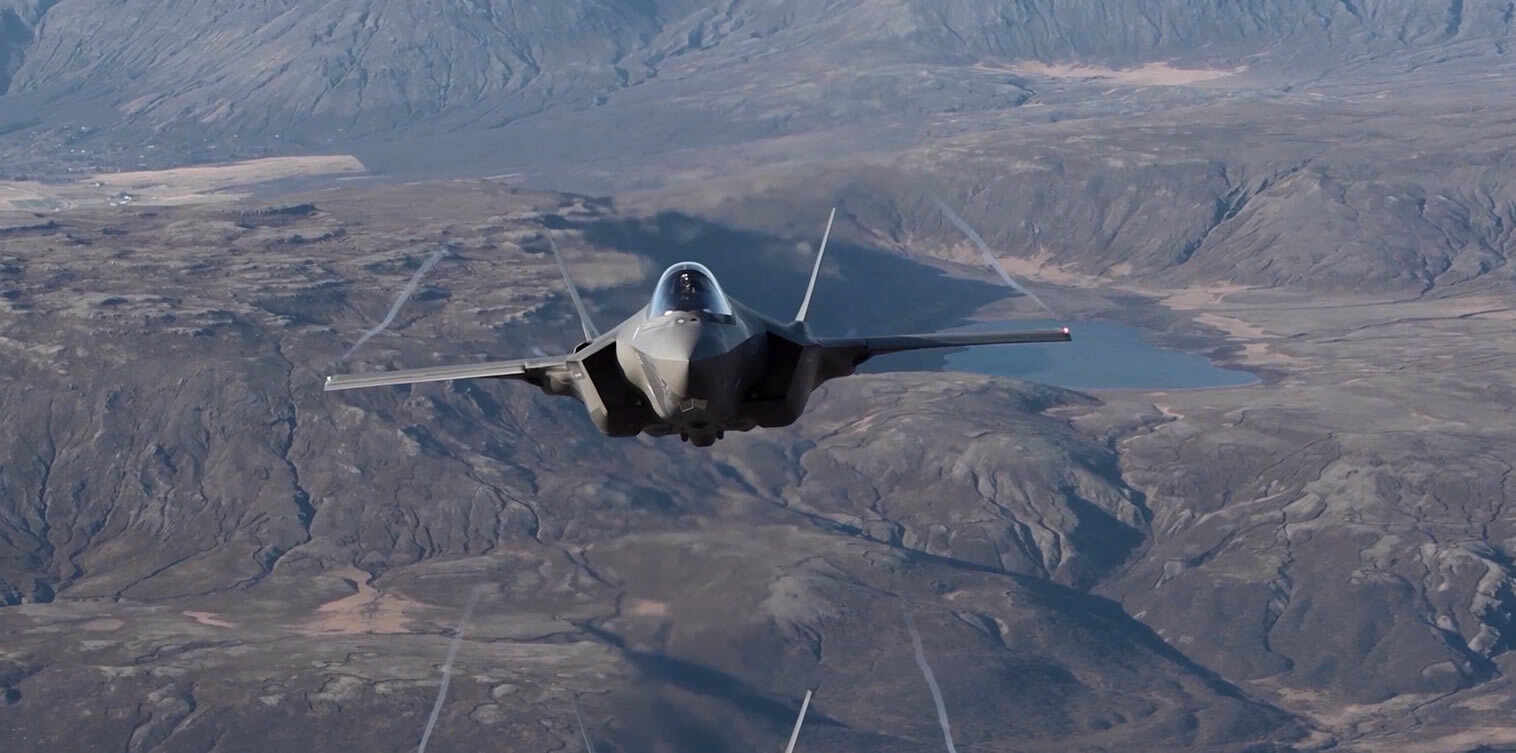
CMCs have potential applications in turbine components, jet-engine exhaust mixers, thermally resistant battery encapsulation, and leading edges for hypersonic vehicles. Their low weight and high-temperature performance can support improved engine efficiency and enable components designed for increasingly demanding flight conditions.

Enabling technologies for demanding sectors
Space
Reusable thermal protection systems are another important potential application for CMCs. Many current technologies are ablative and must be replaced after use. A durable solution capable of supporting multiple launches and re-entries could help reduce material waste, maintenance requirements, and launch costs.

Enabling technologies for demanding sectors
Nuclear
Fusion reactor environments place materials under extreme thermal, mechanical, and irradiation conditions. SiC/SiC CMCs are among the material systems being investigated for these applications because of their high-temperature performance and irradiation tolerance.
We work across a broad range of CMC material systems
Ox/Ox CMCs
Ox/Ox CMCs combine oxide ceramic fibers, typically alumina (Al₂O₃), with an oxide ceramic matrix. They provide strong oxidation and corrosion resistance in air and are commonly considered for continuous operation in oxidizing environments at approximately 900°C to 1,300°C, where metallic alloys may be limited by weight or oxidation.
C/SiC CMCs
C/SiC CMCs combine carbon-fiber reinforcement with a silicon carbide matrix, offering a balance of low weight, thermal stability, wear resistance, and mechanical strength. Depending on the environment and protective system, they can operate at approximately 1,200°C to 2,000°C in inert or controlled atmospheres, although oxidation protection is required for prolonged exposure in air.
SiC/SiC CMCs
SiC/SiC CMCs consist of silicon carbide fibers within a silicon carbide matrix. Their high-temperature strength, oxidation resistance, and low density make them attractive for demanding applications where conventional metallic systems face performance limitations. Typical operating temperatures range between 1,200°C to 1,500°C+ but depend on the material architecture, environmental conditions, and any protective coating system.
Geoceramic MIDAR® Composites
Geoceramic MIDAR® Composites (GMCs) bridge the temperature-performance gap between reinforced polymers and conventional CMCs. They use carbon, basalt or oxide fibers with a MIDAR® geopolymer matrix. In high-temperature environments where reinforced polymers would fail and metallic systems may add unnecessary weight, GMCs provide a lightweight alternative for service temperatures up to 1,100°C, while demonstrating a non-brittle failure mechanism.
Ultra-high-temperature ceramic matrix composites
Ultra-high-temperature ceramic matrix composites (UHTCMCs) combine fiber reinforcement, commonly carbon or silicon carbide fiber, with a matrix containing ultra-high-temperature ceramics such as zirconium diboride (ZrB₂), hafnium diboride (HfB₂), or related refractory compounds. They are being developed for severe operating conditions above 2,000°C (with some systems capable of resisting thermal loads approaching or exceeding 3,000°C), including applications exposed to extreme thermal loads and erosion.
Materials Selection for CMCs
CMC material systems can offer a valuable combination of performance and efficiency, including:
- Excellent strength-to-weight performance at elevated temperatures
- Resistance to high-temperature and high-heat-flux environments
- Environmental and oxidation resistance, depending on the material system
- Less brittle behaviour than monolithic ceramics
- Tailorable properties through fiber, matrix and architecture selection
Selecting the right material system and processing route is critical to meeting product requirements and developing a repeatable, resilient supply chain. Lucideon can support material selection, feasibility assessment, and the definition of an appropriate development route.
Supporting the CMC development journey

Fiber lay-up, forming and impregnation
Fiber architecture provides strength and stiffness, while impregnation introduces the matrix material around and within the fiber preform. Fiber type, orientation, location, and impregnation method all affect the properties of the finished composite. Lucideon supports the development and evaluation of forming and impregnation routes, including slurry-based approaches and relevant preform-processing techniques.

Heat treatment
Once an impregnated fiber architecture has been created, controlled heat treatments can consolidate the component, remove binders and additives, and prepare the material for final densification. Lucideon can develop and optimise thermal cycles to achieve the required material response while managing distortion, cracking, and process variability.

Densification
Densification reduces porosity and increases the compactness of the composite. The appropriate route depends on the selected fiber and matrix system. Lucideon can support the development and optimization of techniques including Polymer Impregnation Pyrolysis (PIP), Liquid Silicon Infiltration (LSI), pressing and sintering.
Post-processing and environmental protection
Some CMC applications require additional machining, surface finishing, coatings, or environmental protection to address challenges such as oxidation, corrosion, hot steam exposure, or component integration. We can help determine the post-processing and validation requirements appropriate to the material, manufacturing route, and intended service environment.

Characterization, testing, and evaluation
CMCs are often intended for safety-critical or high-value applications, making reliable evidence of their performance essential. Lucideon provides materials characterization, microstructural evaluation, and mechanical, thermal, and environmental testing, supported by expert interpretation of the results.
Our capabilities include recognized CMC-specific ASTM methods covering tensile, tubular tensile, tubular flexural, general flexural, creep, and creep-rupture behaviour. Where a standard method does not fully address the requirement, we can develop a tailored test programme to answer the specific materials or performance question.

Pilot-scale facilities for CMC development
Lucideon and The AMRICC Centre provide access to facilities and expertise for CMC development and process trials, including:
- Matrix-material preparation facilities and expertise
- Autoclave processing
- A prototype-scale Ox/Ox CMC sintering furnace
- Furnaces with Polymer Impregnation Pyrolysis capability
- Materials characterization, microstructural evaluation, and performance testing
Establishing CMC manufacturing in the UK
Lucideon is expanding its CMC offer to support customers beyond pilot-scale development and towards secure, industrial-scale UK manufacture. Our proposed £500 million Staffordshire facility will provide manufacturing capacity for oxide and non-oxide CMCs, helping organizations strengthen supply chains and bring advanced components to market.
Explore our plans for CMC manufacturing: lucideon.com/news/manufacture-of-ceramic-matrix-composites
Need development support? That's where we come in
Lucideon works with Ox/Ox, SiC/SiC, and ultra-high-temperature CMCs, supporting matrix formulation development, forming, densification, sintering, characterization, and testing. Our process-development capabilities include Polymer Impregnation Pyrolysis and Liquid Silicon Infiltration.
Through our advanced ceramic pilot-scale facilities and The AMRICC Centre, we provide consultancy and trials for organizations developing CMC materials and manufacturing processes. We can begin with feasibility and material development, optimize processes at pilot scale, evaluate performance, and support progression towards prototype, demonstration, and industrially relevant production.
Alongside established CMC systems, Lucideon is developing Geoceramic MIDAR® Composites using our proprietary MIDAR ® technology platform, providing an additional material option for demanding high-temperature applications.
Want to learn more?
Explore related case studies and insights:
Our Experts
Discover more about our experts.


Read our other stories
Enabling Net Zero
Leveraging our expertise to solve your Net Zero technology materials challenges

Read our other stories
intelligent Microbiology-Driven Formulation (iMDF)
Combining consultation with intelligent Microbiology-Driven Formulation development to make informed decisions

Read our other stories
Constructing a sustainable approach
Combining structural expertise and world-class testing facilities for advanced methods of construction

Read our other stories
Integrated Materials Processing and Computational Techniques (IMPACT™)
Combining our expertise and computational methods to solve your material and process development challenges

Read our other stories
Materials for Harsh Environments
Transcending the most demanding requirements with supreme performance qualities